Practical support for HR & people teams

NeuroInclusion for HR Professionals

You don't need another awareness session.
You need to know what to do next.

Practical training, certification and tools to navigate disclosure, workplace adjustments, manager uncertainty and performance conversations with confidence.

Start with the free HR toolkit ↓
Practical. Human. NeuroInclusive.
Aisling Smith speaking at the AHRI National Convention 2026 in Brisbane
From awareness to implementation.Aisling Smith Β· AHRI National Convention 2026

Trusted by teams across corporate, government and professional services.

John HollandAllianzRio TintoTelstraVictoria Department of HealthZoos Victoria
When it lands with HR

β€œWhat do we do next?”

An employee discloses. A manager feels unsure. An adjustment isn't working. You need a practical way forward.

DisclosureAdjustmentsPerformanceRecruitment
Better conversations.
More capable managers.
Workplaces that work for different brains.
In the room with the HR profession

Real audiences. Practical impact.

Aisling presenting to an AHRI audience, with attendees seated in the foreground
Bringing NeuroInclusion into everyday HR practice.
AHRI South Australia Β· 2025

What Neurodiversity Really Is and What HR Gets Wrong

100%found it valuable
99%would hear Ash again
94%actionable
β€œThe practical, actionable & implementable changes are the gold we’re all after”
Annie Β· AHRI attendee, via TalkadotSee AHRI SA audience feedback β†—

121 attendee responses; 120 answered the value question. Talkadot percentages; response counts vary.

Choose your starting point

Build the capability your workplace needs.

Develop internal expertise, equip your managers or get support with a specific challenge.

03 / Strategy & advisory

When the challenge goes beyond training.

Find the friction in policies, recruitment, job design and employee experience. Build a clear plan for what changes next.

Book a Strategy Call β†—
04 / Keynotes & HR events

Insight that stays with your audience.

Engaging keynotes and interactive sessions on NeuroInclusion, leadership, recruitment and workplace systems.

Book Aisling to Speak β†—
05 / Free practical resources

Less guesswork.
More useful next steps.

Get the Free HR NeuroInclusion Toolkit. Five tools for the conversations already happening at work.

  1. 01 NeuroInclusion Friction Finder
  2. 02 14-Day Adjustment Tool
  3. 03 FÁILTE Candidate Experience Checklist
  4. 04 Manager Practical Tool
  5. 05 30-Day NeuroInclusion Sprint Planner
Get the Free HR Toolkit ↓

Enter your name and email to access all five PDFs.

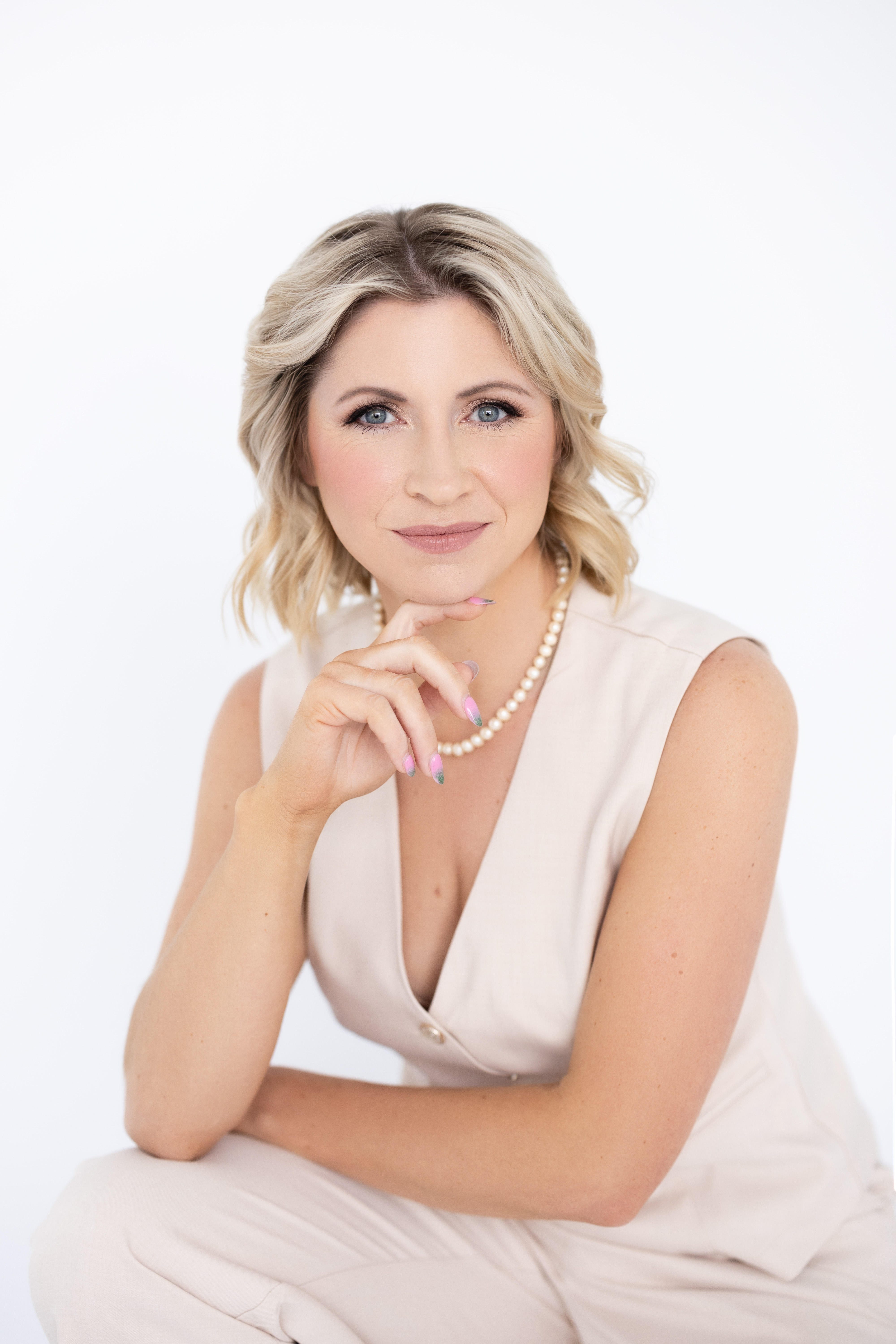
Aisling Smith, founder of NeuroEmpowerment Solutions
Your partner in NeuroInclusion

Hi, I'm Aisling.
You can call me Ash.

Workplace NeuroInclusion specialist, speaker, trainer and coach. Also autistic and ADHD.

I bring lived experience together with practical work in behavioural change, communication, leadership and organisational NeuroInclusion.

My goal is that people leave thinking:
β€œI know what to do now.”

Talk to Aisling β†—

Different β‰  Defective.

Difference does not automatically mean deficit.

Safety before strategy.

People need to feel safe to do their best work.

Clarity is care.

Clear expectations reduce friction for everyone.

A message from AshA personal video for HR professionals is coming soon.
From Ash to HR

You carry a lot.
You don't have to carry it alone.

My job is to give you practical frameworks and tools, so every situation doesn't require a specialist intervention.

Tell me what’s happening in your organisation β†—
Ask Ash

Your HR questions, answered.

Disclosure, adjustments, recruitment and supporting managers.

Discuss your situation β†—
What should HR do when an employee discloses ADHD or autism?

Start by acknowledging the trust involved. Ask what, if anything, is getting in the way of the person doing their best work and what support would be useful. Do not assume their needs from a diagnosis. Agree what happens next, who needs to know and what information can be shared. Disclosure should begin a conversation about support, with the employee involved.

Does an employee need a formal diagnosis before an organisation can support them?

Not every employee experiencing neurodivergent workplace barriers has a formal diagnosis. HR should understand the employment and disability-law requirements in its jurisdiction. Many good workplace practices, including clearer communication, structured priorities, accessible meetings and flexible ways of working, can often be implemented without waiting for diagnostic disclosure.

What are workplace adjustments for neurodivergent employees?

Workplace adjustments are changes that reduce a barrier to accessing or performing a role. They might involve communication, instructions, meetings, work location, sensory conditions, scheduling, task prioritisation or recruitment. Connect the adjustment to the actual barrier, agree how it will work and review it with the employee. A trial is a learning period, not a cap on adjustment rights.

How can HR support managers of neurodivergent employees?

Give managers practical capability: clear language, frameworks, boundaries, examples and somewhere to ask questions. Help them clarify expectations, recognise friction, agree support and review progress. They need to know what they can handle and when to involve HR or specialist support. The aim is more capable management of human difference.

How do you manage performance and NeuroInclusion at the same time?

NeuroInclusion does not mean removing accountability. Before concluding that someone cannot meet an expectation, check whether it was clear, the necessary information and resources were accessible, avoidable barriers existed, and agreed adjustments were working. Then address the actual performance issue clearly and fairly, using the organisation's processes.

What does neuroinclusive recruitment look like?

Remove barriers unrelated to the inherent requirements of the role. Use clearer job advertisements, transparent interview processes, questions or structure in advance where appropriate, accessible communication and reduced sensory load. Evaluate evidence of capability rather than conformity to one preferred social style. The FÁILTE checklist above provides a practical starting point.

How do we make an organisation neuroinclusive?

Start by identifying where friction occurs. Look across leadership, communication, recruitment, onboarding, adjustments, performance, employee experience, policy, workplace design and psychological safety. Listen to the people affected, choose a useful first change and measure what improves. Build capability systematically so the work continues beyond an awareness session.

Let's find your next useful step

You don't have to diagnose the solution before we speak.

Tell me what's happening in your workplace. We'll work out the next useful step together.

Better workplaces start with understanding people better.

NeuroEmpowerment Solutions acknowledges the Traditional Owners of Country throughout Australia and their continuing connection to land, waters and community. We pay our respects to Elders past and present.

Β© 2026 NeuroEmpowerment Solutions. All rights reserved.